The British Open Fell Runners Association or “BOFRA” is what I often describe to the unfamiliar as a charming little part of the already niche sport of UK fell running…
Each year, BOFRA host a championship, which is a series of about 16 qualifying races, requiring runners who want to compete for a place in the championship overall to run at least 8 eight of these events to qualify.
Essentially, your best eight results count towards your points total, and the runner with the most points by the end of the series wins.
BOFRA races
For those who are not BOFRA race initiated yet, let me bring you up to speed…
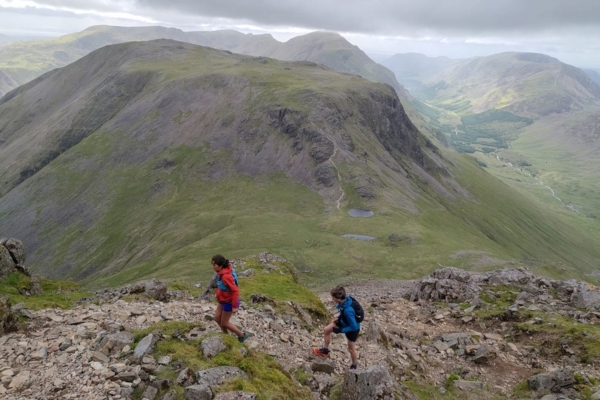
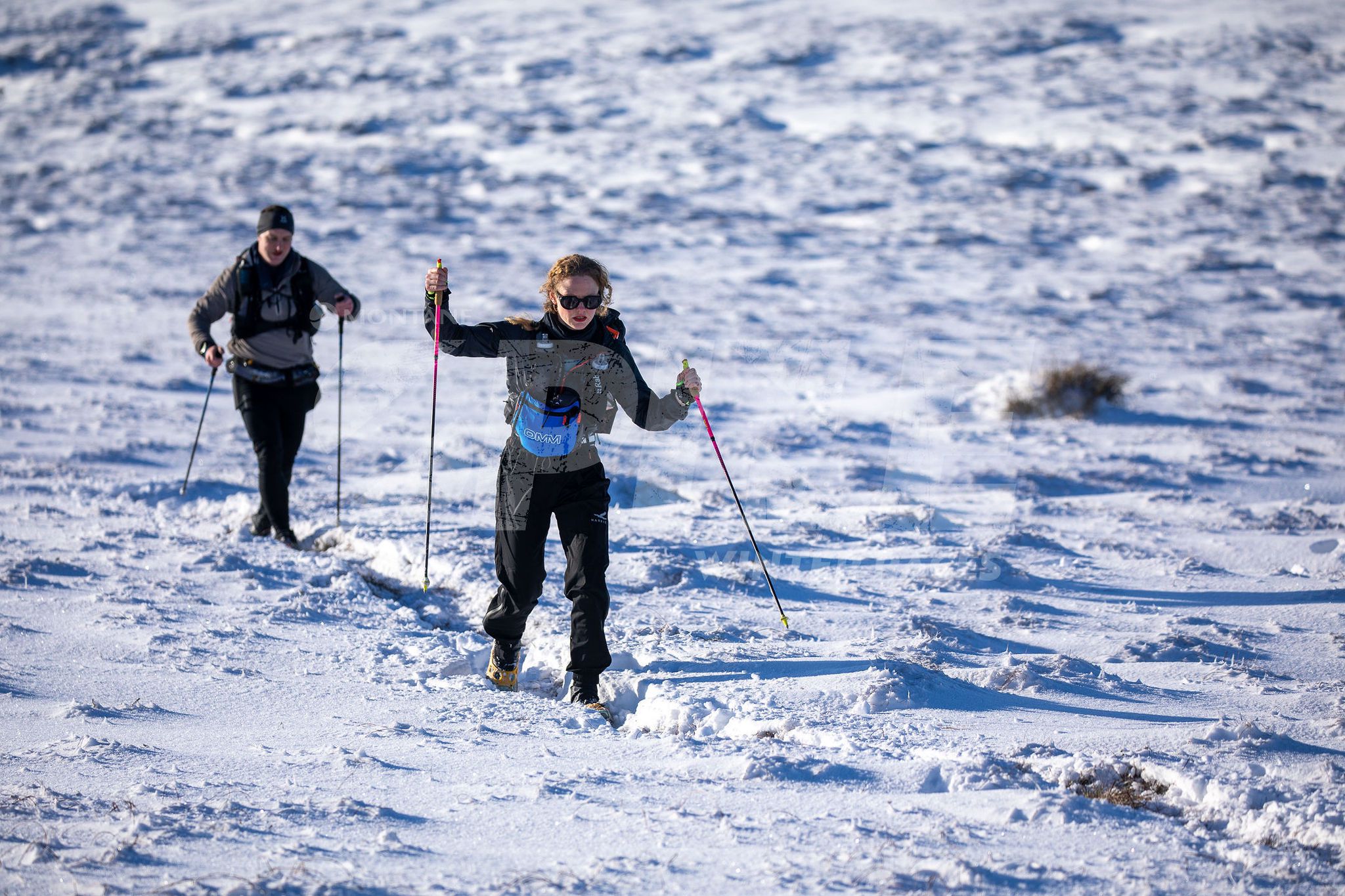
The events are short, intense and technical. Typically, they involve running as fast as you can to the summit of a hill and then throwing yourself back down again to the finish.
It’s not uncommon to see course records that barely tip over 10 minutes long, and most races don’t last more than 30 minutes for the vast majority of competitors.
Having dipped my toe into a few select races as I got started in fell running in 2024, I made it a bit of a personal goal to target the 2025 championship title.
My athletic background is mostly in cycling, first in international mountain bike cross-country racing up until the pandemic, and then hill climb time trials on the road bike from 2020 until 2023.
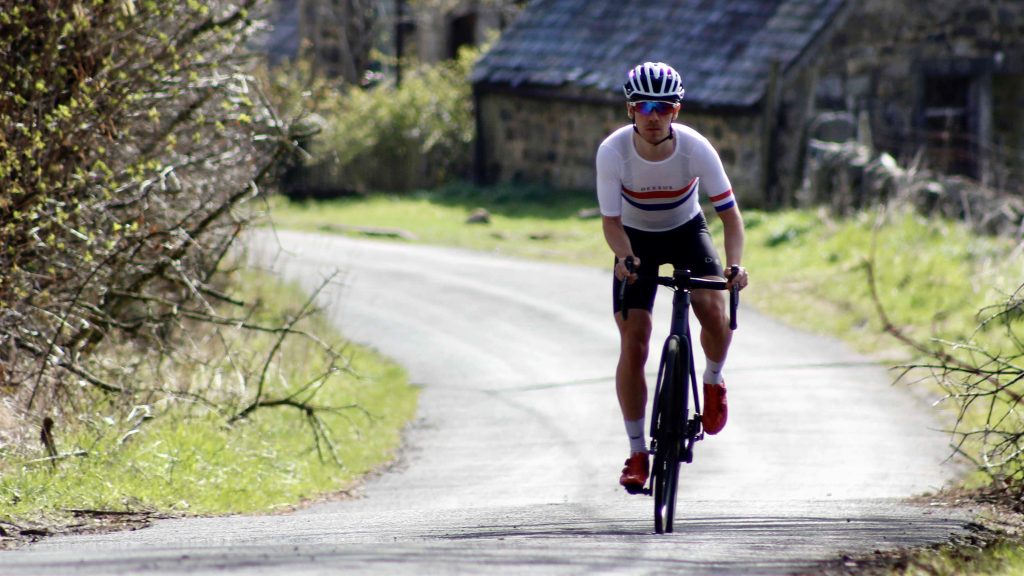
Having always been decent at hills on the bike, the short, steep and intense demands of the BOFRA races were to me the most obvious discipline to try and apply my fitness to in a trail running capacity.
Transitioning from the bike
Switching focus to running from cycling wasn’t plain sailing…
I discovered quickly that whilst my cardiovascular fitness was very strong from all the time on the bike, my musculoskeletal system was woefully under-prepared for the speeds the former could push it to.
Perhaps unsurprisingly, 2024 and to a lesser extent even 2025 were plagued by constant niggles and injuries, often around the ankles or the hips, which disrupted consistency and the amount of races I could realistically handle. And true to form, I came into my first BOFRA event of the year at Kettlewell without a great deal of consistent running in my legs over the previous few months and certainly without the amount of downhill running exposure I’d have liked to have had.
The season
As mentioned, my abilities lie mostly in ascending hills quickly, but not so much going down them as fast as the best in the sport…
This made my ‘tactics’ going into the 2025 championship races quite straightforward; attempt to put as much distance between myself and my competition as possible on the way up and squander as little time as I could on the descents!
My first couple of events at Kettlewell and Ulverston went OK by and large. My climbing was good in both, and my descending, whilst not brilliant at a wet and very technical Kettlewell, was already improving by Ulverston – where I managed to grab a win, albeit in a slightly smaller field of runners.
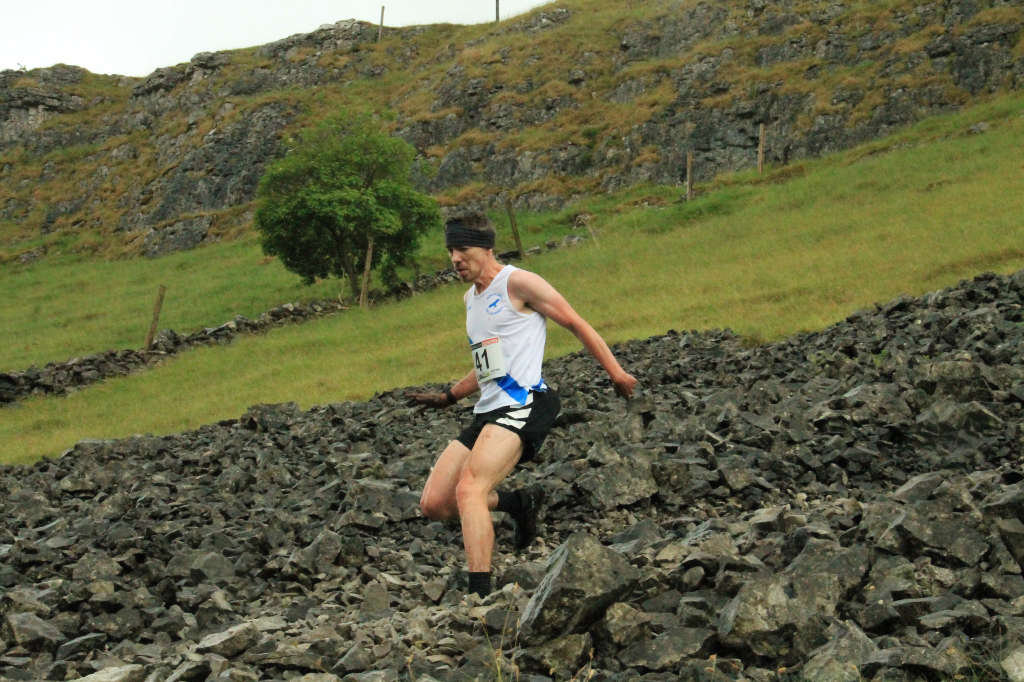
Photo: Kettlewell Race
At the next race, Ambleside Sports, a familiar story played out…
I summited the race route just slightly ahead of a rapid Joe Hudson of Keighley and Craven and then lost a few positions on the way back down, but this time feeling that I actually ran the descent fairly well. Spurred on by these clear improvements, I went away and managed to put some training in on both climbs and the downhills before the meat of the season and the agricultural show races…
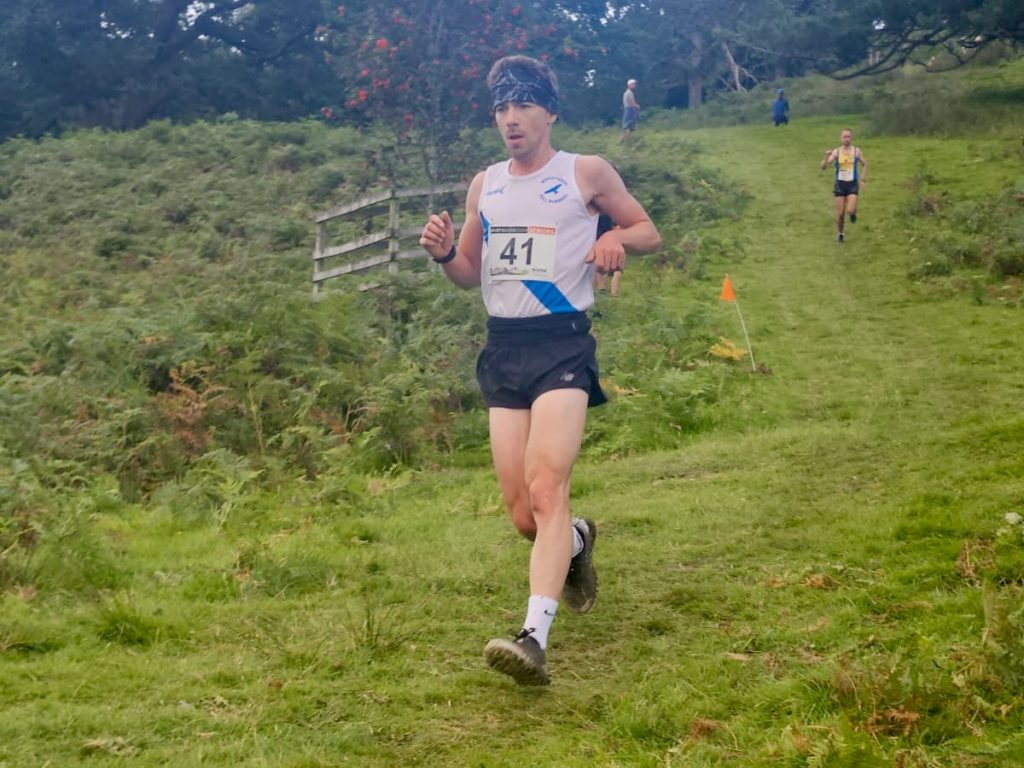
Photo: Ambleside Race
The next few races felt like they came in quick succession and were some of my favourites of the year. Set in stunning locations in the Yorkshire Dales and Swaledale and being part of larger agricultural shows and galas, there were big crowds cheering on the runners and the race routes featured hard as nails climbs and technical descents aplenty.
At Arncliffe Gala, Reeth Show and Muker Show, I came in with less nervousness and felt I ran really well and paced my efforts solidly, putting good distance into the competition on the climbs and descending as quickly as almost everyone else in the race too. By this point, I’d also got better at scoping good lines off the hill and making my way down as efficiently as possible, which helped the cause a lot.
These races hold my fondest memories of the season and I’m excited to go back and run them again in ’26.
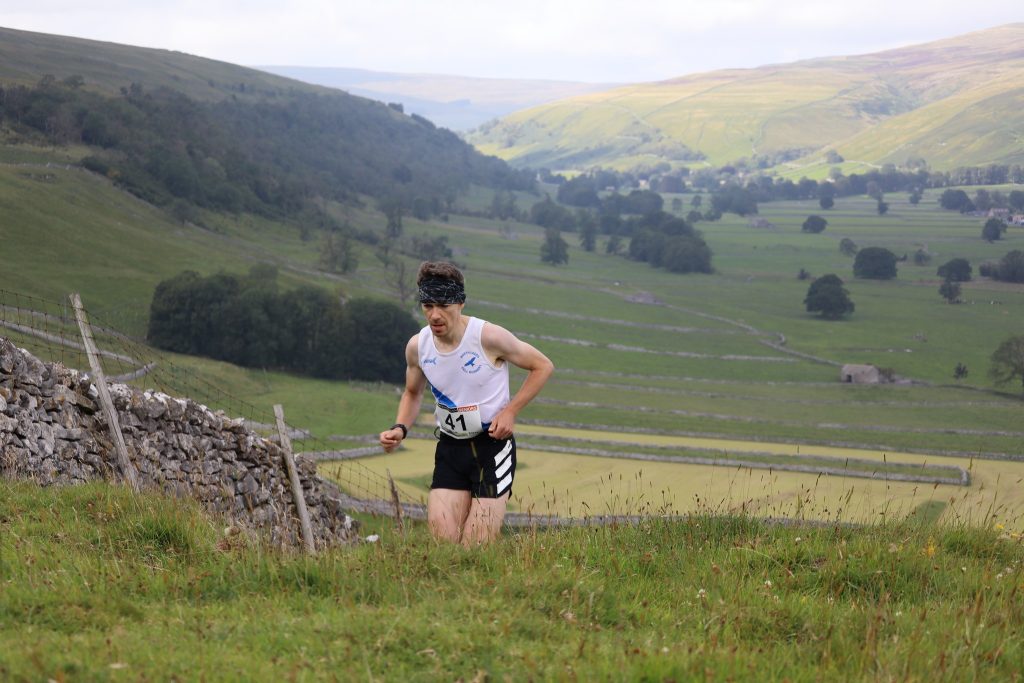
Photo: Arnclifee Gala Race
After the highs of the gala/show races, I was slightly cramming things in as the series starting wrapping up. Having missed a few championship counters in early and middle portions of the year (you guessed it, due to injury) I needed another two race results to count towards the title and just three races remained.
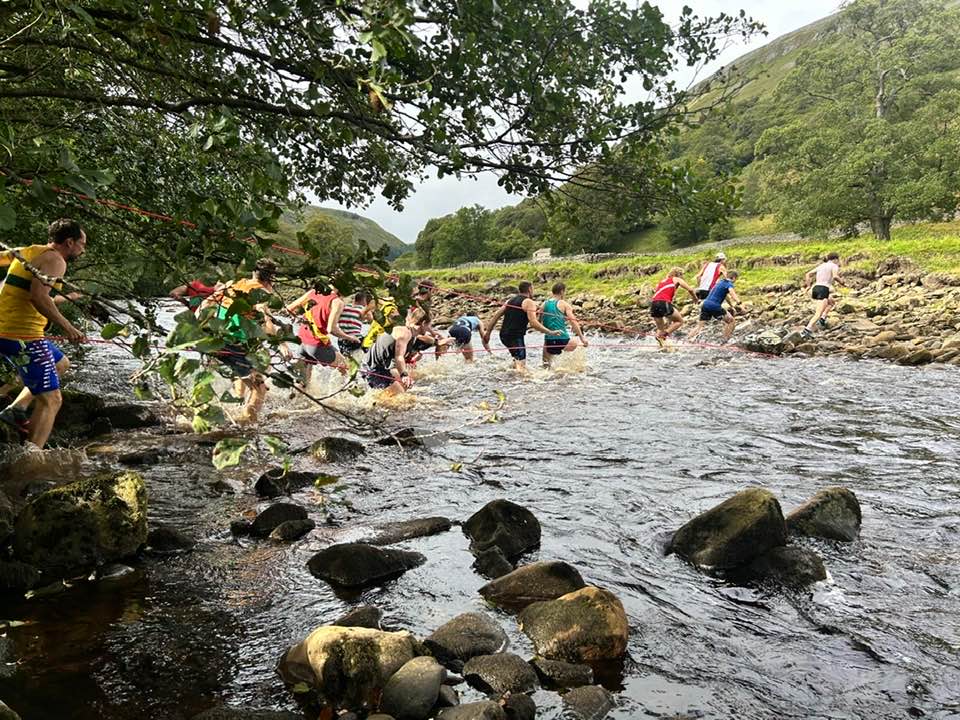
Photo: Muker Show Race
Fortunately, I avoided injury and illness and turned up to the Burnsall and Bradley races in good shape. Burnsall was a steeper climb and a difficult descent through the heather and Bradley proved to be more of a runnable trail race, so each had their own unique demands. I ran as well as I had all season to take wins in both and thankfully wrapped things up with a race still to go in the series.
I did have my eyes set on the steepest and arguably most demanding BOFRA race of the year at Wasdale Show, this being the final championship race, but alas, a head cold got to me and I had to register a DNS for that one.
Reflections
Committing to the series proved a great focus for the year and it was a satisfying end to what had been a really tough year for me on a personal level. The BOFRA organisation and each individual race has the grassroots spirit and lack of pretentiousness that I adore about amateur and niche sports and that contributes to a great vibe and atmosphere at the events.
Whilst many of those competing take the races quite seriously, they represent a really friendly and cheap means of getting into the sport of fell running and racing, and so it goes without saying that I’d encourage anyone who is curious about fell racing to find a BOFRA race and pay their five pounds to enter.
In terms of lessons learnt, I think planning my season out ahead of time a little more would have been helpful. There were times where I’d accidentally double-book myself with other events and given my lack of years running, injuries were always at risk if I raced too often in a short space of time. I think getting started earlier and allowing for a bit of space between races will help in future campaigns and might be something that runners in a similar position to me may want to consider!
I’d like to thank BOFRA for putting on a great set races throughout the year, for those who were friendly and encouraging at the races themselves and for friends in and out of the club for your support during the season.
I’m excited to see what 2026 will pan out like and which NLFR’s will take to the start line of some of BOFRA’s best races!